P/N RD0015H1600JBC: Cockpit Light Dimmer Component
P/N RD0015H1600JBC: Cockpit Light Dimmer Component
Blog Article
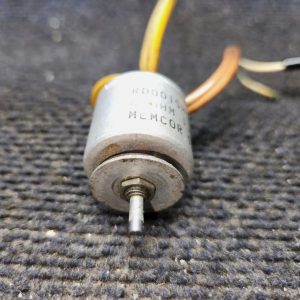
P/N RD0015H1600JBC provides aircraft owners, maintenance organizations, restoration specialists, and aviation parts buyers with an identifiable electrical control component for an appropriately verified Cessna 172F cockpit lighting installation.
The Cessna 172F Rheostat can support cockpit illumination adjustment, while Cessna 172F Lighting Rheostat and Cessna 172F Panel Light Rheostat descriptions should not imply compatibility with every Cessna panel configuration.
Whether described as a Cessna 172F Cockpit Dimmer, Cessna 172F Instrument Light Control, Cessna Instrument Panel Rheostat, or Cessna Cockpit Lighting Control, exact circuit verification remains essential.
An Aircraft Lighting Rheostat may also serve as an Aircraft Panel Light Dimmer when its resistance, power rating, terminals, and control range match the intended installation.
Cessna 172F Electrical Parts can include the rheostat, wiring, terminals, connectors, circuit protection, lamps, panel hardware, and a compatible control knob.
Understanding P/N RD0015H1600JBC
Every letter, number, and suffix should be recorded because similar rheostats may differ in resistance, wattage, shaft style, terminal arrangement, dimensions, and operating characteristics.
Strong traceability improves the commercial and restoration value of the Cessna Aircraft Rheostat.
Completing the Panel Lighting Control
A visually similar knob may not fit securely or may interfere with surrounding panel labels and controls.
A restoration project may prioritize an original-style knob, while an active aircraft installation must also consider secure operation and accurate control identification.
Understanding Variable Panel Illumination
Some cockpit lighting systems may use additional switches, resistors, transformers, wiring, grounds, or circuit-protection devices.
An intermittent control may cause flickering, dead spots, sudden brightness changes, heat, or inconsistent illumination.
Cessna 172F Electrical Compatibility
Compatibility should be established through the exact aircraft model, serial range, part number, circuit design, voltage, electrical load, terminal arrangement, and mounting dimensions.
Terminals should not be rearranged or bridged casually to make an unsuitable rheostat function.
Checking Mounting Threads and Control Movement
The shaft should rotate smoothly through its intended travel without excessive looseness, binding, roughness, or unexpected movement.
Professional physical inspection supports reliable Cessna Instrument Panel Rheostat installation.
Preventing High-Resistance Connections
Clear wiring records reduce reconnection errors.
Wiring should be routed away from sharp edges, moving controls, heat sources, and locations where vibration can cause chafing.
Rheostat Resistance and Continuity Testing
The resistance should change in a predictable manner through the control range without abrupt open circuits, severe jumps, or inconsistent contact.
The component should not be connected directly to a power source until terminal functions and specifications are known.
Common Rheostat and Panel Lighting Problems
Common symptoms can include flickering, dead spots, limited adjustment, sudden brightness changes, complete lighting loss, excessive heat, or inconsistent operation.
Intermittent faults can appear only during vibration, temperature change, or movement of the control.
Restoring a Classic 172F Cockpit
Careful restoration can preserve cockpit character while improving maintenance Cessna 172F Rheostat organization.
A refurbished panel should avoid hidden wiring modifications, unsupported loads, or mismatched electrical parts.
Managing Electrical Parts Inventory
Each supporting component should be identified by function, part number, condition, and required quantity.
Used Cessna 172F Electrical Parts should be inspected individually rather than accepted solely because they originated from the same aircraft.
Cessna Dimmer Switch Repair Considerations
The decision to repair or replace a rheostat depends on internal wear, heat damage, shaft condition, terminal integrity, corrosion, electrical performance, parts availability, and suitable repair information.
Any repair organization, work performed, replacement materials, and results should be documented.
Evaluating a Used Aircraft Lighting Control
Components with clear donor-aircraft information, current photographs, and transparent test descriptions are easier for professional buyers to evaluate.
Electrical ratings and dimensions should be supplied when verified.
Evaluating P/N RD0015H1600JBC
Any uncertainty regarding specifications, circuit function, knob compatibility, or aircraft fitment should be resolved before shipment.
- Determine whether the knob, nut, washer, wiring connector, terminal hardware, test report, records, or release documents are included.
- Do not treat smooth rotation, clean appearance, or donor-aircraft history as proof of electrical serviceability.
- Retain purchase records, photographs, measurements, test results, traceability information, repair documentation, and shipping records with the project file.
Safe Handling of RD0015H1600JBC
The rheostat should be packaged so the shaft, terminals, mounting threads, housing, and identification markings remain protected from impact and bending.
Test records and identification information should remain associated with the component.
Professional Panel Light Control Installation
Professional preparation reduces wiring errors and component damage.
Wires should connect firmly without creating excessive side load on the terminals.
The aircraft should not return to service until the installation has been evaluated and documented appropriately.
Protecting Aircraft Instrument Lighting Components
Repeated cycling should not replace proper electrical troubleshooting.
Recurring heat or failure should prompt investigation of circuit loading, wiring condition, lamps, grounds, and connected components.
P/N RD0015H1600JBC
P/N RD0015H1600JBC may suit aircraft owners, avionics facilities, maintenance technicians, restoration specialists, and parts suppliers seeking an identifiable lighting control.
Careful technical and commercial evaluation can reduce wiring errors, incompatible dimming behavior, missing-knob costs, installation delays, overheating, and unexpected electrical faults.
Whether the requirement is a Cessna 172F Rheostat, Cessna 172F Lighting Rheostat, Cessna 172F Panel Light Rheostat, or Cessna 172F Cockpit Dimmer, exact identification should guide the purchase.
With complete evaluation and continued care, the Cessna 172F Rheostat (No Knob)
Report this page